Home battery installation on the Sunshine Coast & Noosa

Store your daytime solar for the evening, keep the lights on in a blackout, and stop paying peak prices. Every battery is different, so the right one depends on what you need it to do. We size it from your real usage and tell you honestly if it doesn't stack up.

Our own home runs on one

Our family home is the Better Energy Lab. A solar and battery system runs the house, and our two EVs, a BYD Shark 6 and a BYD Atto 3, run on our own solar. It has saved us thousands a year, kept us running through outages, and taught us exactly how to size and set up a battery so it pays its way.

One client's battery, set up the same way, uses grid power only when it's cheap and sells around 19 kWh back to the grid most evenings at a premium rate.

  • Sized from your half-hourly meter data
  • Backup power for blackouts, if you want it
  • Smart charging on time-of-use tariffs
  • Works with new or existing solar
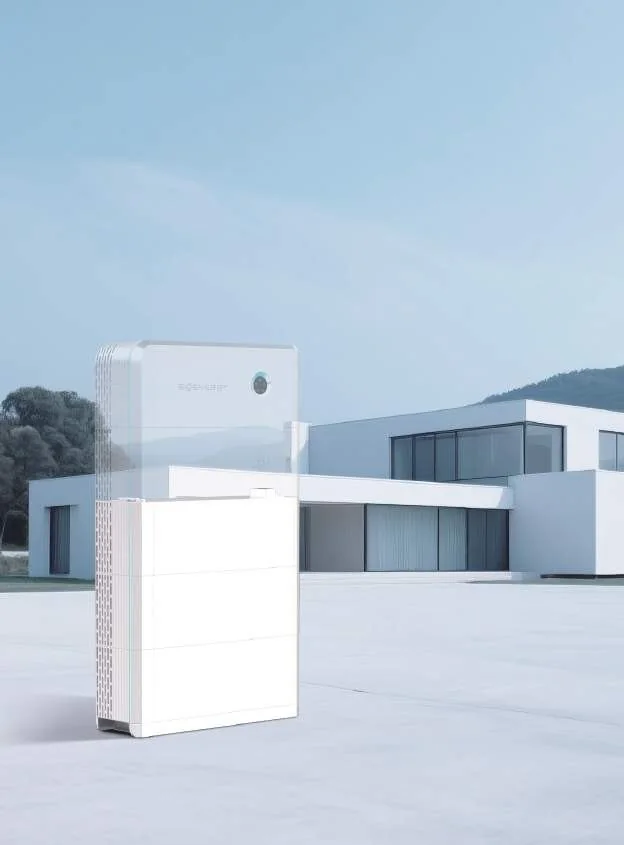
Sigenergy SigenStor home battery installed outside a modern home

Which battery is right for you?

There's no single best battery. Some deliver more power, some grow in small steps, some handle the weather better, and they back up your home in different ways. Tell us what matters most and we'll match the battery to it.

Safety and where it can go

Every battery we install uses lithium iron phosphate (LFP) cells. Tesla Powerwall 3 and FranklinWH keep their battery wiring inside the unit; modular high-voltage stacks have DC cabling that we install to the battery standard, AS/NZS 5139. That standard also sets where any battery can go: never in a living space, and clear of windows, doors and escape routes.
Performance over time

Look at usable capacity rather than the label, how much power it can sustain, and the warranty behind it. We compare these for your home side by side in your quote.

Power output

Power (kW) decides how much you can run at once: air conditioning, an oven, a heat pump and an EV charger together. A Tesla Powerwall 3 delivers up to 11 kW continuously. Sigenergy and Sungrow stacks gain power with every module you add.

Blackout protection

Some systems keep the whole home running in a blackout; others back up a set of essential circuits like the fridge, lights and internet. Some switch over almost instantly, others take a moment. We design the backup around what you need to keep on.

Start small, grow later

Modular batteries let you add capacity when your needs change, such as a new EV. Sigenergy and GoodWe take up to six modules per controller, and Sungrow SBH grows from 10 to 40 kWh.

Coastal and outdoor installs

Weather ratings vary. Sigenergy and GoodWe batteries are rated IP66, Fronius Reserva IP65 and Sungrow IP55, so some need more shelter than others near the beach.

How popular home batteries compare (manufacturer datasheets)
BatteryUsable capacityPowerWeather ratingGood to know
Fronius Reserva6.3–15.8 kWhSet by the Fronius inverter (32 A)IP65Pairs with Fronius hybrid inverters
GoodWe ESA5.0 or 8.0 kWh per module, up to 6 modulesSet by the 3–10 kW inverterIP66Inverter and battery in one tidy unit
SAJ B25–25 kWhUp to 30 A dischargeSee datasheetGrows in 5 kWh steps
Sigenergy SigenStor5.2–8.76 kWh per module, up to 6 modulesUp to 4.6 kW per 10 kWh moduleIP66Each module has its own optimiser; EV charger options
Sungrow SBR / SBHSBR 9.6–25.6 kWh; SBH 10–40 kWhSBH up to 50 A (about 14 kW at 20 kWh)IP55Grows in 3.2 or 5 kWh modules
Tesla Powerwall 313.5 kWh, up to 3 expansions11 kW continuousSee datasheetBattery wiring stays inside the unit

Rows are in alphabetical order. Figures are from each manufacturer's datasheet (linked) and vary by model and inverter; your quote shows the exact figures for your system.

Batteries we install

We only use products we'd install on our own home: manufacturers with local support and long warranties, with app monitoring and automation.

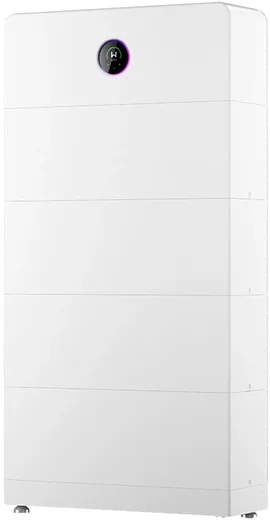
GoodWe ESA battery and inverter
GoodWe ESAInverter and battery in one unit
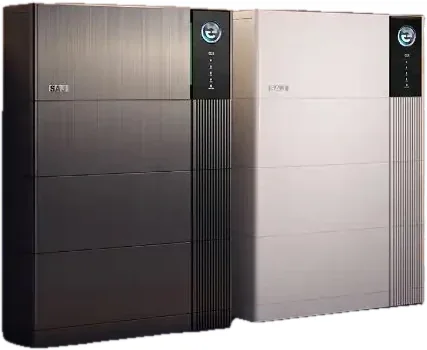
SAJ home battery
SAJModular, in 5 kWh steps
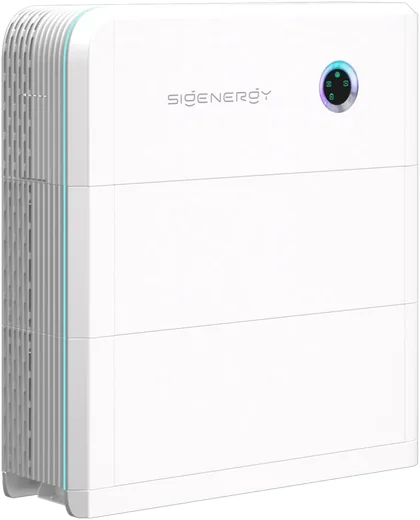
Sigenergy SigenStor battery stack
Sigenergy SigenStorModular stack with an EV charger option
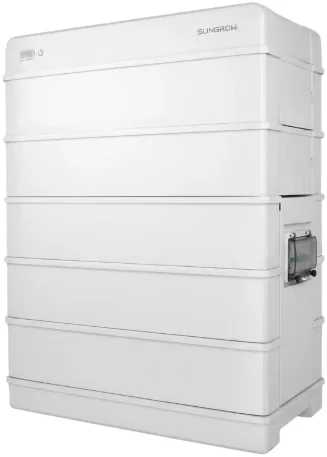
Sungrow home battery
SungrowGrows to 40 kWh

Home battery questions

Is a home battery worth it?

It depends on how much power you use in the evening and overnight, your tariff and your solar size. We check that with your meter data before recommending one, and we'll tell you if it doesn't stack up.

Which battery is the safest?

Every battery we install uses lithium iron phosphate (LFP) cells and must be installed to AS/NZS 5139, which sets where it can go. Beyond that they differ in how their wiring is arranged and where they can be mounted, so we choose the battery and the location together for your home.

Can I add a battery to my existing solar?

Usually, yes. We check your existing inverter and switchboard and recommend whether to add a battery alongside it or upgrade to a hybrid inverter.

Will a battery keep my power on in a blackout?

It can. Backup is an option we design in: we choose whether the whole home or a set of essential circuits stays on, and make sure the battery and inverter support it.

What size battery do I need?

Enough to cover your evening and overnight use on a typical day, with room for plans like an EV. We work it out from your half-hourly meter data rather than a rule of thumb.

Are there battery rebates?

Government incentives for batteries change from time to time. Your quote includes any you're eligible for when we prepare it.

Find out which battery suits your home. We'll model it from your real usage.

Get a free assessment